The Cotswolds sit close enough to London for a rich day out, yet far enough that the hills, wool churches, and honey stone villages feel like a reset. If you want tidy hedgerows, dry-stone walls, and a pub that does a proper pie, this is the right direction. The trick is choosing how to go. Different tours cover different corners, and the best one for you depends on your pace, budget, and how much independence you want once you arrive.
I have done the Cotswolds every which way: by train to Moreton-in-Marsh with a short local bus hop, on a small group minibus that slipped down lanes coaches avoid, and on a private day with a driver-guide who knew which bakery sold the morning batch of still-warm sausage rolls. The right call is not about squeezing in the most villages, it is matching your way of traveling with the realities on the ground.
How far and how long: setting expectations before you book
The distance from Cotswolds to London depends on where you aim. From London to Cotswolds England, think of Moreton-in-Marsh or Kingham as the practical eastern gateways. Paddington to Moreton-in-Marsh by train takes about 1 hour 30 minutes on a fast service. By road, the London to Cotswolds trip is roughly 90 to 100 miles if you are heading to Stow-on-the-Wold or Bourton-on-the-Water, often two to three hours each way depending on traffic. Summer Saturdays and bank holidays stretch that time, especially through Oxfordshire bottlenecks and near popular villages.
If you are considering London day tours to Cotswolds, use that to calibrate your appetite. A day tour will give you a taste: maybe three villages and lunch. An overnight gives you the golden hour light, a quieter High Street, and a better chance to wander footpaths. The best overnight tours to the Cotswolds from London often include a manor stay or a characterful inn, and that changes the feel of the trip entirely.
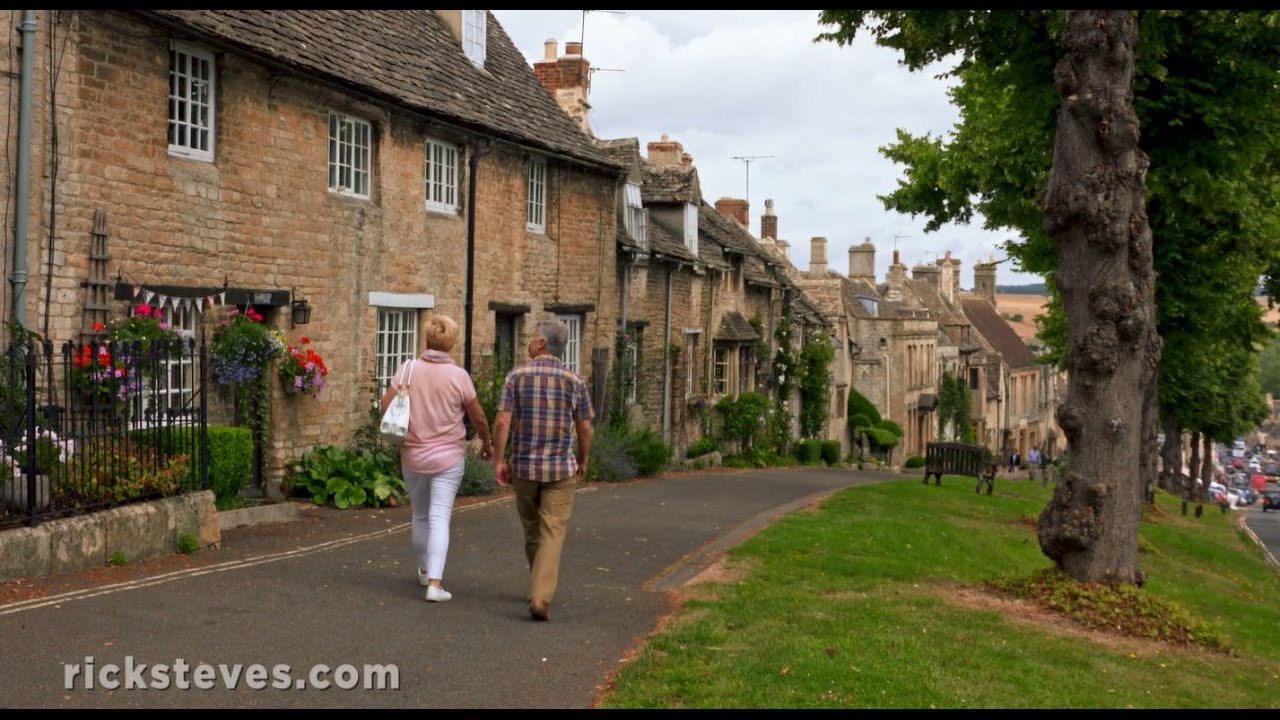
The main ways to visit: tours, trains, and the hybrid approach
People talk about the best way to visit Cotswolds from London as if there is a single answer. There isn’t. It depends on whether you want control or convenience.
London tours to the Cotswolds range from big coach tours to intimate small group excursions and private chauffeur tours to Cotswolds villages. Coach tours to Cotswolds from London are usually the most affordable, with fixed itineraries and a tight schedule. Small group tours to Cotswolds from London, often 8 to 16 guests, strike a balance. Private Cotswolds tours from London cost more, but they go where the day is leading, which matters if you care more about a walk by a brook than ticking off village names.
There is also the independent route. London to Cotswolds by train is easy to Moreton-in-Marsh, Kingham, or Kemble. From there, buses connect to Stow, Bourton, and Cirencester, but frequency thins in the late afternoon and on Sundays. If you take the train in and want a guided day locally, book a driver-guide to meet you at the station. It is a neat hybrid: no London traffic, but still the benefit of local knowledge. For travelers who enjoy flexibility, this often proves the best way to stitch together a London to Cotswolds trip without a car.
What the big coaches do well, and where they strain
Bus tours to Cotswolds from London keep costs down and simplify decisions. They usually depart around 8 am, use a full-size coach, and promise two or three stops, often Bourton-on-the-Water, Bibury, and Stow-on-the-Wold. Some combine Oxford, Bath, or Stonehenge, and you see the phrase tours from London to Stonehenge and Cotswolds or tours to Bath and Cotswolds from London. These combined tours can be a good fit if you have one day and want a sampler.
Still, coaches go where coaches can park. On busy weekends, those stopovers can feel crowded. The timing is also strict. Expect 45 to 75 minutes per village, enough for a stroll, a few photos, and a takeaway coffee. If you choose a London to Cotswolds bus tour with Bath or Oxford added, you get breadth at the cost of depth. For first-timers who want a snapshot and a clear budget, this works. If you care about lingering in a tearoom or tracking down a footpath, a coach’s schedule will pinch.
Why small group tours feel different
Small group Cotswolds excursions use minibuses, which means they glide into villages with limited parking and explore backroads between them. These tours often start earlier, beat the coaches into the first stop, and include four or five villages rather than two or three. I have watched a driver choose a lesser-known hamlet after hearing from a local about a meadow in peak bloom. That is the kind of serendipity you get when group size is small and the guide is nimble.
Look for London tours to the Cotswolds that avoid heavy add-ons and focus squarely on the hills and villages. If Oxford draws you, consider tours from London to Oxford and Cotswolds, which typically split the day in half: a walking tour in Oxford with time at the Bodleian or along the colleges, then an afternoon in the northern Cotswolds, such as Burford and the Windrush valley. London walks Oxford Cotswolds pairings can work well for travelers who like a university town’s energy with countryside calm.
Pricing for small group tours sits in the middle of the range. Expect to pay more than a coach, less than a private day. The main trade-off is shared pacing. You are sheltered from logistics, but you will stop where the group stops.
Private tours: when control and nuance matter
Private tours to Cotswolds from London are the most flexible. They suit travelers who want to set the start time, avoid the crowds, or dial in a personal theme: wool trade churches, gardens, farm shops, or pubs. A private chauffeur tour to Cotswolds can build in scenic walking segments, for example starting above Upper Slaughter and following the River Eye toward Lower Slaughter, then on to Bourton. You can adjust on the fly if a village feels busy or if the weather suggests tea rather than a long stroll.
The best private Cotswolds tours from London start early to dodge traffic. I like leaving by 7 am, reaching Stow for coffee before the day-trippers arrive, then slipping into the smaller lanes. Lunch can be a reservation at a gastropub like The Wild Rabbit in Kingham or a simpler stop with an honest ploughman’s in a village pub. Private drivers also know where to park so you can step into a village rather than hike from a coach bay.
Costs vary with vehicle size, guide credentials, and whether the guide is a driver or a separate guide with a driver. If you split the cost across four adults, a private day sometimes falls within reach and becomes a good value, especially considering time saved and the quality of the experience.
The train factor: when rail beats road
If you are allergic to traffic, consider London to Cotswolds train and bus options. Paddington to Moreton-in-Marsh or Kemble offers a predictable timeline. From Moreton, Stagecoach buses reach Stow-on-the-Wold and Bourton-on-the-Water in around 20 to 40 minutes. Services thin on Sundays and evenings, and there can be gaps in the middle of the day. If your trip relies on those buses, check timetables the week you travel, not a month earlier, as seasonal changes sneak in.
A practical hybrid works like this: take the morning train to Moreton, meet a local guide or pre-booked taxi, spend five hours moving between Stow, Lower Slaughter, and Bourton, then return by train. Some London to Cotswolds tour packages actually use the train to dodge city traffic for half the trip, but most visitors still default to road-based tours for simplicity.
If you are building your own London to Cotswolds trip planner, factor in the last return train you are comfortable with. Missing a Moreton return by five minutes because you lingered in a bakery is a rite of passage you can avoid.
Picking villages without overdoing it
Travelers often ask for the best Cotswolds villages to visit from London, then try to stack them all into a single day. Three to five stops is plenty. Bourton-on-the-Water is justly popular, with its low bridges and model village, but feels crowded after 11 am in peak months. Stow-on-the-Wold has a compact market square and a door at St Edward’s Church framed by yews that has become an Instagram magnet. Lower Slaughter and Upper Slaughter feel timeless, ideal for a gentle walk between them. Bibury’s Arlington Row draws photographers, though parking can be chaotic. Burford’s High Street slopes down to a medieval bridge and offers independent shops that reward browsing.
If you have a second day, push deeper. The Windrush and Coln valleys reward slow travel. Painswick, in the south, brings a different feel with its yew-clipped churchyard. Cirencester adds Roman history and a handsome market town vibe. On a longer circuit, places like Snowshill or Broadway introduce hilltop views. Part of the charm is moving between them on minor lanes, watching the limestone change tone as the light shifts.
Combined itineraries: Oxford, Bath, and Stonehenge with the Cotswolds
Cotswolds and Oxford combined tours make logistical sense because Oxford sits on the way from London, and the layered history there complements the rural quiet of the hills. These tours often include a guided walking tour of Oxford’s core and independent time in the colleges if they are open. The Cotswolds segment then focuses on the northern reaches like Burford and Stow.
Cotswolds and Bath sightseeing tours cover more miles. Bath is further west, so you spend more time on the road. You gain the Roman Baths, Georgian crescents, and the chance to linger in a city with culinary range, but the Cotswolds portion necessarily shrinks. If Bath sits high on your list, a two-day plan works better. Some overnight Cotswolds tours from London include a night in Bath, then a day threading back through the southern Cotswolds, which feels more balanced.
Stonehenge and Cotswolds combined day trips are feasible, but you will be scanning rather than soaking. Stonehenge requires timed entry, parking coordination, and shuttle logistics, which compresses the Cotswolds window. If Stonehenge is non-negotiable, choose a tour that clearly states how many Cotswold stops are planned and how long they last. A straightforward pair of villages beats a promise of five that ends up as a drive-by.
What a realistic day looks like, across budgets
Imagine three travelers with different priorities.
The budget traveler wants an affordable Cotswolds day trip from London that still covers the classics. A coach tour hits two or three major stops, like Bibury and Bourton, with a quick pub lunch. Expect an 11 to 12 hour day door to door, with most time on established routes. The highlight is the convenience and price. The compromise is crowd density and short village time.

The mid-range traveler chooses a small group tour. Departure is earlier, the minibus weaves into Upper Slaughter and a lesser-known stop like Naunton or the Barringtons. Lunch may be pre-booked at a smaller inn. The guide has room to tell stories about the wool trade or point out a Saxon font in a side chapel. You come away with a sense of why the landscape looks this way, not just a string of photos.
The splurge traveler books a private driver-guide. You leave early enough to arrive when bakers are loading shelves. You stop at a farm shop for coffee, park within steps of a riverside footpath, and recover time through local shortcuts. If you are into gardens, the guide adjusts to include a National Trust property or a private garden open day in season. You take the scenic route back, perhaps via Minster Lovell’s ruined hall if time allows.
When an overnight makes sense
One of the best overnight tours to the Cotswolds from London does not feel like a tour at all. It feels like moving into the rhythm of a place for 24 to 36 hours. Arrive by late afternoon, check into an inn in Stow or Burford, and take a pre-dinner walk. At dusk, even Bourton-down streets breathe. In the morning, catch the early light on Bibury before the coaches arrive, or visit a lesser-known village like Broadwell when it is just you and the milk truck.
Overnight Cotswolds tours from London sometimes package a stay with dinner, breakfast, and a guided loop the next day. This format gives you a deeper sense of the lanes and footpaths. If you have the time and budget, this is where the region opens up. You also have flexibility to add Bath or Oxford on either end without diluting your Cotswolds time.
Practical timing, seasons, and small decisions that improve the day
Spring brings lambs, fresh greens, and fewer crowds, with changeable weather. Summer delivers festivals, long evenings, and busier roads. Autumn glows with hedgerow berries and mild days, often a sweet spot for walking. Winter is quiet, with short daylight, but pubs feel particularly welcoming and room rates soften outside holiday weeks.
Start early. For London day trip to the Cotswolds itineraries, a 7 am pickup means a calmer first stop. Book lunch if you are traveling in July or August and want a specific pub. If you are set on photos of Arlington Row in Bibury with minimal people, ask your guide to slot it before 9 am or after 4 pm.
Footwear matters more than fashion. Even on a tour, you will do a fair bit of walking on uneven stone, narrow lanes, and sometimes soggy fields. If your tour offers a short walk between Upper and Lower Slaughter, take it. It is the single best way to understand why the Cotswolds draws walkers from all over.
Choosing a tour operator: signs you are in good hands
The better tours of Cotswolds from London share certain traits. They present realistic timings and do not promise six or seven villages in a single day. They mention parking strategies and alternatives if a place is heaving. They talk about the countryside itself, not only photo spots. For combined tours, they explain how the day splits between places rather than promising everything everywhere.
Look for operators who allow free time in villages. A guide who suggests specific walks, such as the footpath behind the church in Lower Slaughter that leads to quieter water meadows, is worth their fee. If you are considering luxury Cotswolds tours from London, ask about vehicle type, water on board, and whether your guide holds Blue Badge or another qualification, though in the countryside, deep local knowledge can matter more than formal credentials.
Trains, buses, and your backup plan
When building a London to Cotswolds travel guide for yourself or others, always add a fallback. If a motorway clogs, can your driver take the scenic route through the Ridgeway or via Chipping Norton without losing the day? If you plan to use local buses, do you know when the last one back to Moreton runs? For the London to Cotswolds train and bus options, I keep a screenshot of the day’s schedules and the number of a reliable local taxi in case a bus is canceled. In rural areas, contingencies are a sign of respect for your own time.
A simple comparison to help you decide
- Coach tours from London to Cotswolds: lowest cost, least flexibility, two to three major stops, possible combinations with Oxford, Bath, or Stonehenge, and a structured day. Small group tours to Cotswolds from London: mid-price, better access to smaller villages, four to five stops, more storytelling, moderate flexibility within a set route. Private Cotswolds tours from London: highest cost, full flexibility, tailored themes, scenic walks, and the ability to avoid crowds by timing and route choices.
Sample day itineraries that actually work
One day tours to Cotswolds from London succeed when built around pace. If you prefer variety, try a northern Cotswolds circuit. Start in Stow-on-the-Wold for coffee, continue to Upper and Lower Slaughter with a 30 to 40 minute walk between them, then reach Bourton-on-the-Water before lunch. After lunch, head to Burford, wander the sloping High Street, and finish with a quiet stop at a lesser-known hamlet such as Great Barrington or Little Rissington before returning to London. Travel time fits within 11 hours door to door, assuming a 7 am start.
For those mixing city and countryside, a London to Oxford and Cotswolds pairing works well. Begin with a two-hour guided walk in Oxford focused on the Radcliffe Camera, Bodleian Library exteriors, and a college courtyard if open. Lunch in a simple café or a pub tucked off the High Street, then spend the afternoon in Burford and Bibury. Return via the A40 with an eye on peak-hour traffic. This keeps the day rich without feeling rushed.
If you want a London to Cotswolds bus tour that sneaks in Bath, accept that the Cotswolds portion will be shorter. A realistic plan is Bath in the morning with timed entry to the Roman Baths, lunch near the Abbey, then a drive through the southern Cotswolds with a single long stop in Castle Combe or Lacock, which share some of https://arthurtpuf675.theglensecret.com/private-driver-guide-cotswolds-private-tour-from-london the Cotswolds’ stone charm even if they sit technically outside or on the edge of the area. The day stretches to 12 to 13 hours, best for travelers with high stamina.
Budget notes and honest costs
Affordable Cotswolds tours from London usually start near the price of a theater ticket and step up from there. Coach tours sit at the base price point and sometimes discount weekdays. Small group tours often cost another third to half again as much, which buys access and time in smaller places. Private tours are a multiple of that, then decrease per person as you add people to the vehicle. Meals, admissions, and gratuities are often extra. If a tour includes lunch, ask where and what is covered.
Independent travelers taking the train should price off-peak returns and reserve seats when possible. A taxi for a local loop from Moreton-in-Marsh can be cost-effective for two to four people compared with a guided minibus, though you lose narrative context and built-in recommendations. Weigh what matters to you: stories, access, or pure autonomy.
When walking is the point
Cotswolds walking tours from London exist, though they usually require an early start and careful timing. Some operators focus on a single long walk with one village for lunch rather than multiple short stops. The Rollright Stones, the Monarch’s Way, and the Windrush valley all offer segments that work within a day, but the sweet spot is a two-day plan with an overnight in a village inn. Walking avoids the parking puzzle and puts you on the lanes that the region is built around. If you only have a day, ask your guide for at least one stretch on foot along a river or ridge.
A few micro tips that save time and improve the experience
Bring a card and a small amount of cash. Card readers are common, but a few car parks and smaller stalls still prefer coins. Wear layers, even in summer. Village shade can feel cool after time in the sun, and the weather shifts quickly over the hills. If you are a photographer, a polarizing filter helps with water reflections in Bourton and along the Eye. If you love books, see if your route passes through Hayles Fruit Farm or a market in Cirencester where local presses sometimes show up.
Choose your tea break with intent. A slow half-hour with a pot of tea and a slice of Victoria sponge might be the moment you remember, more than a sixth village. Ask your guide for a shop that bakes on site and favors local ingredients. It is the small things that make a day feel complete rather than busy.
Final thought: pick depth over breadth for a better story to take home
London tours to the Cotswolds succeed when they respect distance, daylight, and the rhythm of small places. Whether you opt for bus tours from London to the Cotswolds, a nimble small group, or the freedom of a private driver, choose fewer stops and linger. If Oxford, Bath, or Stonehenge calls, fold them in with clear eyes about what will be shortened. Use the train if you value certainty of timing and do not mind a local transfer. Above all, leave space to hear the river, feel the grain of the stone walls, and let the day unfold on Cotswold time. That is the best way to visit the Cotswolds from London, regardless of budget.